
How to Size Batteries for Peak Shaving
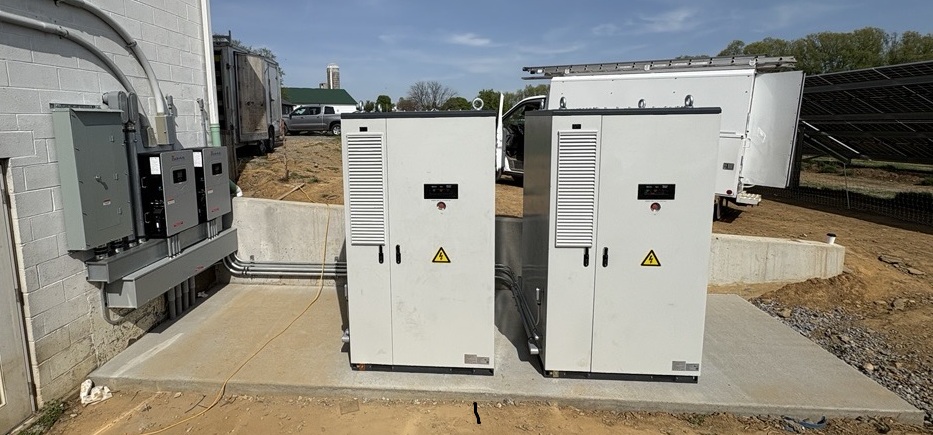
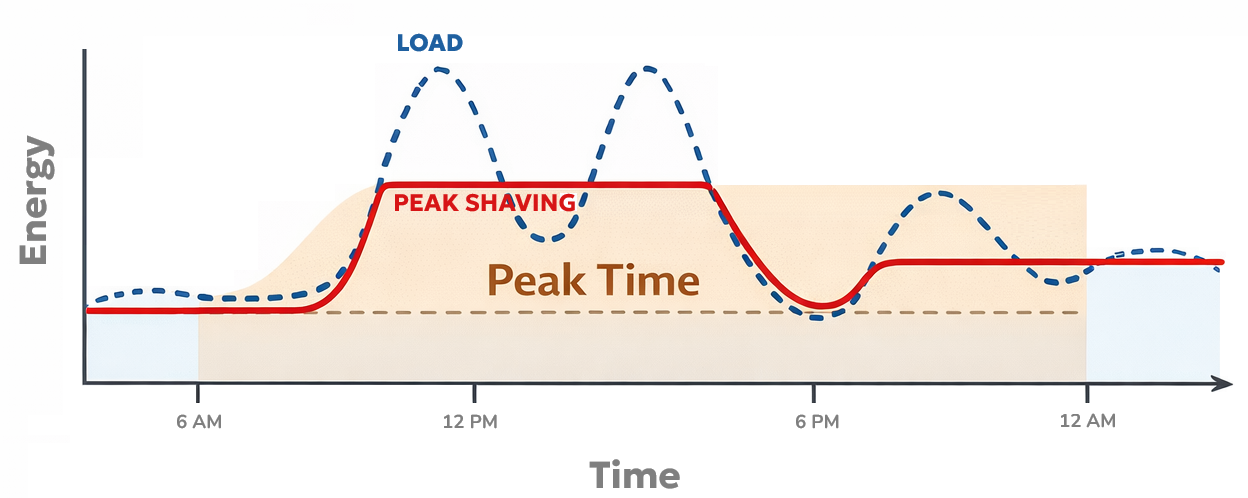
Peak shaving is one of the most common applications for battery energy storage in commercial and industrial (C&I) facilities. Many utility bills include demand charges, which are based on the highest power draw (kW) during the billing cycle. Even a short spike in electrical demand can significantly increase the monthly electricity bill.
Battery energy storage systems (BESS) reduce these costs by supplying power during periods of high demand. By discharging during peak events, the battery lowers the demand measured by the utility meter.
Most commercial peak shaving systems range from 100 kW to several megawatts of discharge capacity, depending on the facility load profile and utility billing structure.
Sizing a battery system for peak shaving requires understanding the facility’s:
- Load profile
- Peak demand
- Duration of demand events.
Step 1: Get and Analyze Charging Data
The foundation of any peak shaving project is interval demand data from the utility or the facility’s energy monitoring system.
Utilities typically provide 15-minute or 30-minute interval demand data, which shows how the site’s electrical demand changes throughout the day. Examples in this discussion will assume 15-minute intervals.
Get 12 months of data and identify:
- Highest monthly peaks (kW)
- Average operating demand (kW)
- Peak duration (how long demand remains elevated)
- Frequency of peak events
Look for repeatable patterns, not outliers caused by one-off events.
Step 2: Determine Peak Shaving Target
Set a peak-shaving target threshold that is below historical peaks.
Example:
- Historical peak: 800 kW
- Target threshold: 600 kW
- Reduction: 200 kW
This 200 kW becomes the required discharge power rating of the battery system.
Step 3: Calculate the Energy Storage Capacity (kWh)
Determine how long peaks typically last.
If the facility's energy usage exceeds 600 kW for:
- 1 hour > the required energy storage = 200 kW × 1 hr = 200 kWh
- 2 hours > the required energy storage = 200 kW × 2 hr = 400 kWh
Size the battery system with some buffer (10 to 30%) to account for:
- Interter and system efficiency loss
- Usable state-of-charge limits
- Battery degradation over time
- Operational reserve.
Step 4: Size the Inverter
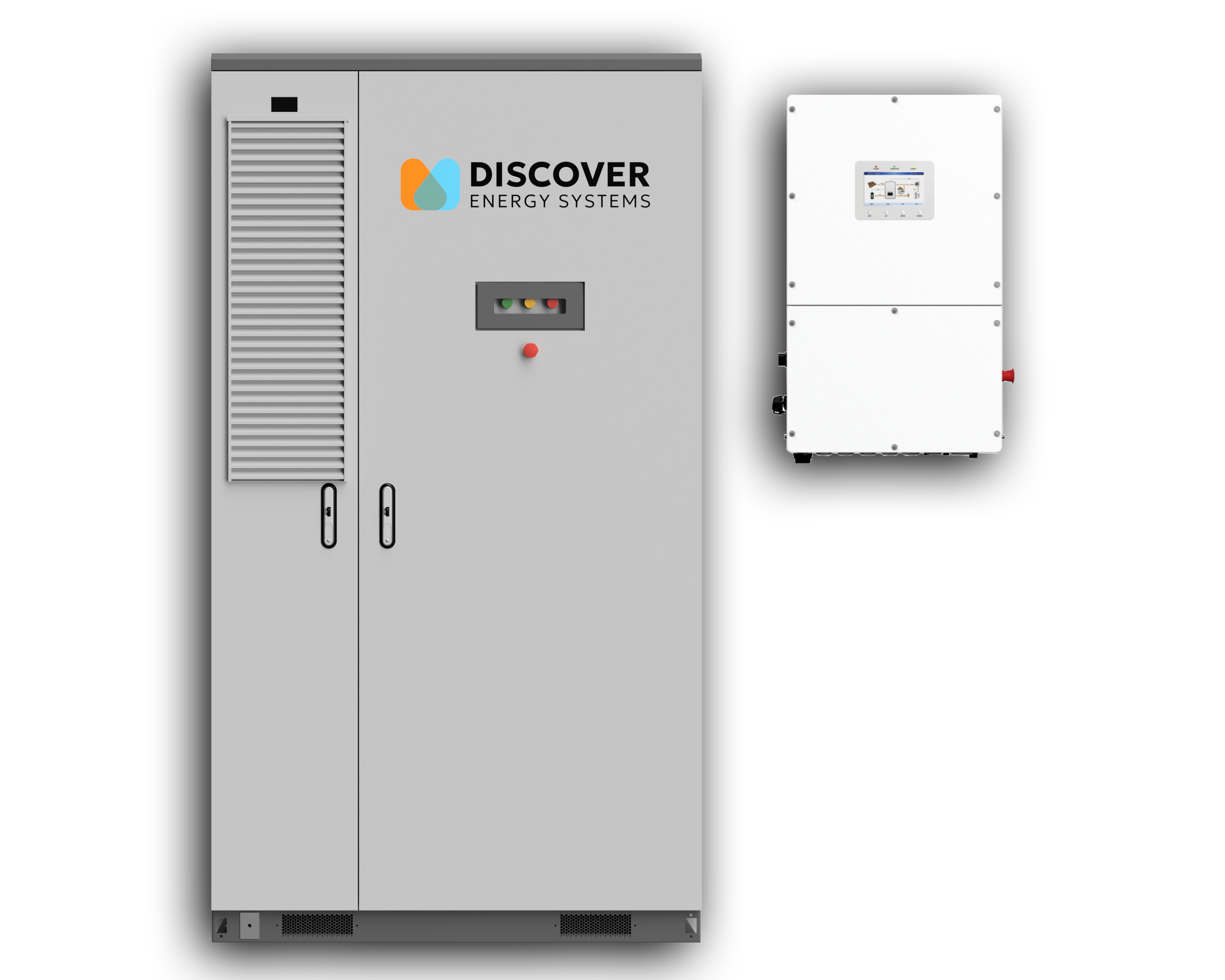
The inverter or power conversion system (PCS) determines the maximum instantaneous power the battery can deliver.
For example: A battery system with 500 kWh of storage paired with a 100 kW inverter can only reduce peak demand by a maximum 100 kW, regardless of how much energy is available in the battery. Because of this, peak shaving systems must be designed with the correct balance of:
- Inverter power capacity (kW) and
- Battery energy capacity (kWh)
Step 5: Implement Control Strategy
The battery system must respond automatically when facility demand approaches the target threshold. This is managed by an energy management system (EMS) or microgrid controller that monitors facility load in real time and dispatches battery power when required.
Set the following:
- Real-time load monitoring
- Automated discharge thresholds
- Time Of Use - If the utility charges extra during peak demand, add the affected hours of this time window
The battery must respond within seconds to the rising load to prevent the 15-minute average from exceeding the target threshold.
Key Design Considerations
Installers and engineers should account for:
- Inverter discharge power limits
- Battery charge and discharge rates
- Round-trip efficiency
- Utility's billing interval
- Seasonal load variation
- Future load growth (EV charging, electrification)
Conclusion
Peak shaving is one of the most effective strategies for reducing electricity costs in commercial and industrial facilities.
By analyzing interval demand data and properly sizing both the inverter power capacity and battery energy storage, facility owners can significantly reduce demand charges while improving operational flexibility.
Properly designed systems focus on short, high-impact discharge events rather than full-day energy shifting. Peak shaving is a power (kW) strategy that is not intended to meet the entire electrical needs of a site. It is most cost-effective when the energy storage is sized to handle only the energy peaks during the work day. That way you don't spend more than necessary to meet your needs.
Visit Discover Energy Systems to learn more.
Interested in working with Discover Energy Systems?
Contact our energy storage experts today to discuss your project requirements, get a quote, or find a distributor near you.